
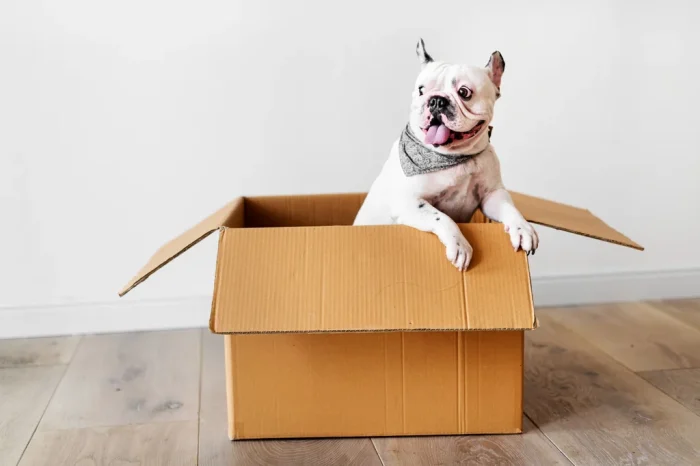
Figuring out how to move with pets without stressing them out on Vancouver Island comes down to one thing: your pet does not understand what is happening, and your job is to make the disruption as short and predictable as possible. Whether you are moving from Victoria to Nanaimo, downsizing in Langford, or relocating from the mainland over to Saanich, the same rules apply. Protect their routine, control their environment on moving day, and plan the travel piece carefully if a ferry is involved.
This guide is built for real Vancouver Island residents with real pets, not generic advice you could find anywhere. We cover the questions people actually ask, the BC Ferries reality nobody else writes about, and the steps that genuinely reduce stress for your dog, cat, or other animal.
How Do I Keep My Pet Calm During a Move?
You keep your pet calm during a move by holding their daily routine steady and introducing change gradually instead of all at once. Feed them at the same times. Walk the dog on the same schedule. Pack a few boxes a day rather than tearing the whole house apart in one weekend. Pets read disruption as danger, so the slower the buildup, the less alarm they feel.
Bring moving boxes into the house early and let your pet sniff them before they get filled. Leave familiar items, blankets, beds, scratching posts, untouched until the last possible day. The goal is for your pet to walk into moving day already familiar with the supplies and the energy in the house, not blindsided by it.
Update your pet’s microchip and ID tag with your new Vancouver Island address before moving day, not after. Lost pets on moving day are common, and an outdated tag is the difference between a quick reunion and a long search through an unfamiliar neighbourhood.
Where Should I Put My Pet on Moving Day?
Put your pet in a quiet, closed safe room with their food, water, bedding, and litter box if needed, or send them to a trusted friend or daycare for the day. Moving day is the highest-risk window of the entire process. Doors stay open. Strangers walk in and out. Activity is constant. A loose pet in that environment can slip out and disappear within minutes.
If you go with the safe-room approach, put a clear sign on the door so movers and family members do not accidentally open it. Check on your pet regularly throughout the day. Bring water and a familiar item or two. The room should be the calmest space in the house, ideally with a window but away from the main loading path.
If your pet is highly anxious or reactive, daycare or a stay with a friend is almost always the better choice. Vancouver Island has plenty of dog daycare options across Victoria, Nanaimo, Courtenay, and the Westshore. Booking one for moving day removes the entire risk variable.
How Long Does It Take for a Pet to Adjust to a New Home?
Most pets adjust to a new home within one to four weeks, though the exact timeline depends on the animal. Dogs typically settle within a few days to a week as soon as their routine restarts. Cats usually take longer, often two to three weeks before they feel confident enough to use the entire space. Some take longer, and that is normal.
For dogs, the fastest path to settling is reinstating routine the day you arrive. Same feeding times. Same walks. Same bedtime. Walk them around the new neighbourhood early so they start building a scent map of where they live now. Expect some clinginess in the first few days and respond with extra attention rather than correction.
For cats, start them in one room with all their essentials, food, water, litter box, familiar bedding, and let them explore the rest of the house at their own pace over several days. Many cats hide for the first 24 to 48 hours, which is normal. Bring items that already carry their scent. An unwashed bed or a worn shirt placed in the new space helps them claim the territory faster.
Watch for stress signs that last longer than two weeks: refusing to eat, hiding constantly, litter box accidents, or destructive behaviour. If those continue, contact a vet in your new area.
Can I Bring My Pet on BC Ferries?
Yes, pets travel free on every BC Ferries vessel, but they must remain in your vehicle or in a designated Pet Area for the entire crossing. Pets are not allowed in passenger lounges, food service areas, or indoor terminal buildings, with the only exception being certified service animals. This is the rule whether you are crossing from Tsawwassen to Swartz Bay, Horseshoe Bay to Departure Bay in Nanaimo, or any of the smaller routes.
Dogs must be on a leash no longer than 1 metre at all times when outside your vehicle. Cats and other small animals must stay in a secure carrier. Many of the larger vessels serving Vancouver Island, including the Spirit of British Columbia and Coastal Renaissance class ferries, have both indoor and outdoor pet areas with seating, water bowls, waste bags, and kennels on certain routes.
If you keep your pet in your vehicle on the car deck during the crossing, leave windows cracked for ventilation, disable your car alarm, and remember the vehicle deck is not climate-controlled. On a hot summer day or a cold winter morning, that matters. For the full ferry pet policy, route-by-route pet area locations, and current rules, check the official BC Ferries travelling with pets page.
Plan a long bathroom break before boarding. There are no pet relief areas onboard most vessels, and the crossing from Vancouver to Nanaimo or Victoria runs roughly 95 minutes to 2 hours.
Should I Sedate My Pet During a Move?
Most pets do not need sedation for a move and many vets recommend against it for routine moving stress. Sedation can make some animals more disoriented and anxious rather than calmer, especially during the actual travel portion when they cannot move freely or steady themselves. The first option is always behavioural: a calm environment, familiar items, and a steady routine.
If your pet has documented severe anxiety, a history of panic during car rides, or known travel-related health issues, talk to your vet several weeks before moving day. Some vets prescribe situational anti-anxiety medication or pheromone products like Adaptil or Feliway as a gentler alternative. Test any new medication well before moving day so you know how your pet reacts under safe conditions.
Never give your pet human medication. Drugs that are safe for people can be toxic for animals at any dose.
How Do I Help My Cat Adjust to a New Home?
Help your cat adjust by limiting their access to one room first, layering the space with familiar scents, and letting them set the pace for exploring the rest of the house. Cats are deeply territorial. They attach to environments as much as to people, and dropping a cat into a full-sized new home all at once is the fastest way to trigger hiding, escape attempts, or stress-related illness.
Pick a quiet room as your cat’s home base for the first few days. Set up the litter box, food and water, scratching post, and a piece of unwashed bedding from the old home. Keep the door closed and visit often. Most cats begin to relax within 48 hours. Once they are using the litter box normally and approaching you for attention, open the door and let them explore on their own terms.
Do not let an indoor-outdoor cat outside for at least three to four weeks. Cats have been known to attempt to return to their previous home, and Vancouver Island’s mix of urban, semi-rural, and forested neighbourhoods makes the risk of a lost cat much higher than usual.
How Do Professional Movers Help Reduce Pet Stress?
Professional movers reduce pet stress by getting the move done quickly and efficiently, which shortens the entire window of disruption your pet has to endure. The longer moving day drags on, the more time your pet spends in fight-or-flight mode. A trained crew that arrives on time, communicates clearly, and respects your home means fewer open doors, less chaos, and a faster return to normal for everyone in the house, pets included.
One important note: You Move Me Vancouver Island does not transport pets. No reputable moving company does. Moving trucks are not climate-controlled, ventilation is poor, and the cargo area is not safe for animals. You are responsible for getting your pet to the new home in your own vehicle, in a friend’s car, or with a professional pet transport service if needed.
What we do is handle the heavy lifting so you are free to focus on your pet. Our W-2 employees are trained, the crew arrives prepared, and we work efficiently across every Vancouver Island community we serve, from Victoria, Saanich, and Langford to Nanaimo, Duncan, Courtenay, Campbell River, and Port Alberni. The faster the move wraps, the faster your pet can start settling. Learn more about our local moving services on Vancouver Island.
Real Vancouver Island Considerations Most Articles Skip
Vancouver Island moves come with a few details that nationwide moving guides never address. Worth knowing before moving day:
- Hot cars happen here too. The island climate is mild, but summer days in Victoria, Nanaimo, and the Comox Valley can still spike well into the upper twenties. Never leave a pet in a parked vehicle, even briefly, on a warm day.
- Ferry crossings need a plan. If your move involves a BC Ferries leg, decide in advance whether your pet stays in your vehicle on the car deck or comes with you to a designated pet area. Pack water, a leash, and waste bags accordingly.
- New vet, new licensing. Most Vancouver Island municipalities require dog licensing, and rules vary between Victoria, Saanich, Nanaimo, and the Regional District. Update your registration after the move and find a local vet within the first month so you have someone established before you ever need them urgently.
- Wildlife awareness. The island has cougars, deer, and aggressive raccoons in many neighbourhoods. Walk new dogs on leash and supervise cats outside, especially in the first few weeks while they are still building their scent map of home.
What to Do in the First Week After Moving
The first week is when most pet stress shows up. Stick to the routine, watch for warning signs, and resist the urge to introduce too many new things at once.
Reinstate your pet’s full daily schedule on day one. Same feeding times. Same walks. Same bedtime ritual. Avoid hosting visitors, doing big neighbourhood introductions, or leaving the pet alone for long stretches in the first few days. Spend extra time at home if you can. Your presence is the single biggest factor in how fast they settle.
Some restlessness, clinginess, or appetite changes are normal in week one. What is not normal is refusing food entirely for more than 24 hours, repeated litter box accidents, hiding for over 48 hours straight, or any signs of physical illness. If any of those show up, get a vet involved early.
For more on what to expect from your moving day itself, our guide on how much it costs to hire movers in Victoria, BC covers timing and pricing, and you can read about how our crews protect your home while they work.
Ready to Make Your Move Easier on Everyone?
Moving with pets on Vancouver Island does not have to be a disaster. With a steady routine, a quiet safe room, a clear ferry plan if needed, and a fast, professional crew handling the heavy work, your pet can come through moving day calm and ready to explore their new home.
You Move Me Vancouver Island has been serving the island for over 9 years, helping families across Victoria, Nanaimo, Langford, Saanich, Duncan, Courtenay, Campbell River, and Port Alberni move into their next chapter with less stress and more care. Get your free estimate today and let us handle the boxes so you can take care of the four-legged ones.