
The Ferry Crossing Is the Whole Move
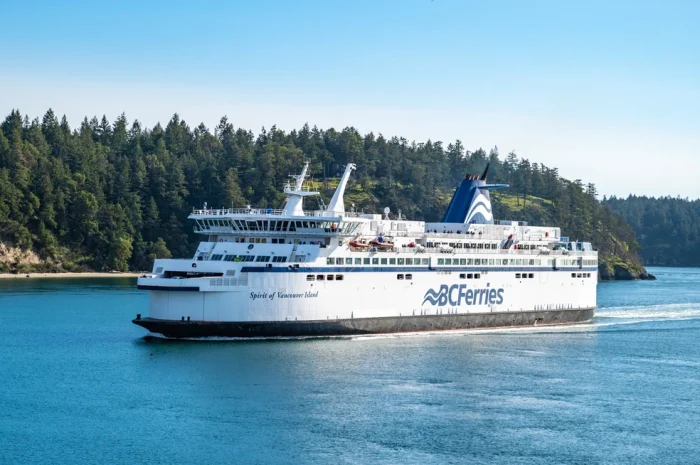
If you’re asking what you should know about moving off Vancouver Island by ferry, here’s the truth. Most movers don’t lead with it. The ferry decides the day. It sets the start time. It sets the end time. The route and the cost get picked too. Everything else on a cross-water move bends around that crossing.
Most people treat the ferry as a final hour of the trip. In reality, it’s the part you can’t reschedule on the day. A real island mover plans the move around the ferry first, not last.
The Three BC Ferries Routes That Matter for a Move
Moving off Vancouver Island means choosing between three main BC Ferries routes. Each connects the island to the mainland through a different terminal pair.
Swartz Bay to Tsawwassen. The southern route. Connects Victoria and the Saanich Peninsula to Metro Vancouver. Crossings take about 95 minutes. Tsawwassen sits 36 km south of downtown Vancouver in Delta.
Duke Point to Tsawwassen. The central route. Connects Nanaimo to Tsawwassen. Crossings run about two hours. Duke Point is the more truck-friendly Nanaimo terminal because it’s built for commercial vehicles.
Departure Bay to Horseshoe Bay. The northern route. Connects Nanaimo’s other terminal to West Vancouver. Crossings clock in around 95 minutes. Horseshoe Bay is the route most Metro Vancouver residents use when heading to Whistler or the Sunshine Coast.
The right route depends on where you’re going on the mainland. A move to downtown Vancouver works well from Departure Bay. A trip to Surrey, Langley, or the Fraser Valley works better through Tsawwassen.
Why Reservations Are Not Optional for a Moving Truck
BC Ferries operates on three fare types. At Terminal fares board on a first-come basis with no booking. Saver fares are pre-booked at lower prices on select sailings. Standard reservations lock in a specific sailing for full price.
For a personal car, At Terminal works fine on most days. For a fully loaded moving truck, it does not.
The reason is risk. A moving truck that misses its sailing because the ferry was full creates real problems. You have a crew on the clock and a destination waiting on the other side. Two or four hours might pass before the next sailing. On peak summer weekends, the next available sailing might be the next day.
A reservation eliminates the risk. You arrive in your check-in window, the ferry holds your space, and the crossing happens on schedule. The booking fee is the cheapest insurance on the entire move.
Standard vehicle and driver Saver fares run roughly $49 to $89 per crossing. At Terminal fares run higher. Larger trucks and trailers cost more because BC Ferries charges by vehicle length. Your mover’s quote will reflect those costs.
The Booking Lead Time You Actually Need
Reservation availability varies sharply by season.
Peak summer, late June through early September. Book at least three to four weeks ahead, longer for weekend sailings. Friday afternoons, Sunday evenings, and any sailing connected to a long weekend fill up first.
Shoulder season, April through June and September through October. Book one to two weeks ahead. Weekend sailings still tighten up but weekday availability is good.
Off-season, November through March. A week’s notice is usually plenty. Weekday availability is wide open. Note that winter weather can affect schedules, so build in extra margin even with a reservation.
For a move that involves a 26-foot truck, book the moment your move date is locked in. The truck takes up vehicle deck space that fills first.
Check-In Times Are Strict and Worth Respecting
BC Ferries check-in windows are tight. For trucks and vehicles, booking check-in opens 60 minutes before the scheduled departure and closes 30 minutes before. If you arrive after the close, your reservation is forfeit.
Arrive at the terminal at least 90 minutes before the sailing. Loading a moving truck involves more paperwork than loading a passenger car. The driver gets directed to a commercial-vehicle lane. Borderline-size trucks get measured. Any of that can slow check-in down.
If you’re driving across the island to catch the ferry, build buffer time for traffic between communities. Highway 19 between Nanaimo and Duke Point can back up. The Pat Bay Highway between Victoria and Swartz Bay can too, especially in summer.
What Our Crews Plan Around on a Ferry-Dependent Move
An off-island move runs on a schedule the customer doesn’t see. Our team handles the moving parts.
The smart technology estimate captures the start address, the end address, the ferry route, and the truck size. Your reservation is booked into the plan, not added at the end.
The crew lead coordinates the load-out time to match the sailing. Loading a three-bedroom home takes three to five hours. We leave with enough margin to clear traffic to the terminal and check in on time.
If the sailing gets delayed or cancelled by weather, we have a contingency. Your truck either holds at a secure location or boards the next available sailing. You hear from us before you hear from BC Ferries.
On the mainland side, the receiving crew is on standby. We don’t release them until the truck is confirmed on the ferry. That avoids paying for a crew that has nothing to unload.
Our Vancouver Island long distance movers build the plan around how off-island moves actually work. That covers the load-out at your old place all the way to the unload at the new one.
What to Pack in Your Car and What to Leave on the Truck
The ferry trip itself takes around two hours, but the door-to-door day takes longer. Some items belong with you, not on the truck.
Important documents, medications, jewelry, and irreplaceable items should ride with you. They stay in your control through the whole crossing.
Pack an overnight bag for the first one or two nights at the new place. That saves you from digging through boxes on day one. Toiletries, a change of clothes, phone chargers, and pet supplies all go in the car.
Snacks and a refillable water bottle for the ferry are worth packing. BC Ferries has food service on board, but lines can be long during peak sailings.
Plants are worth a separate conversation with your mover. Many movers won’t transport live plants on a long-distance move because of the temperature and water risks. If you have plants you care about, they ride in the car.
Common Mistakes That Cost People Hours or Money
A few patterns show up over and over on first-time off-island moves.
Booking the wrong terminal. Duke Point and Departure Bay are both in Nanaimo, but they’re 15 minutes apart by car. Showing up to the wrong one misses the sailing.
Not telling the mover the move involves a ferry. A mainland-based moving company may not know the check-in process, the lane assignments, or the height restrictions. Hire an island-based mover for an off-island move.
Skipping the reservation to save money. The fare difference between Saver and At Terminal is small. The cost of missing a sailing with a crew on the clock is not.
Cutting the timing too tight. A 10:00 AM ferry from Departure Bay doesn’t mean you leave the house at 9:30. It means you’re checked in by 9:30 with the truck in the right lane.
Forgetting the mainland side. The move doesn’t end when the ferry docks. There’s drive time, unloading, and the new building’s rules to navigate.
Why Local Knowledge Matters More for an Off-Island Move
The ferry side of the move is the part where local experience pays for itself. Our crews do off-island moves every week. They know which terminals work for which truck sizes. The routes with fewer delays are common knowledge to the team. Peak-season booking math is something the crew lead has memorised.
A national broker or a mainland mover treating Vancouver Island as a side market does not have that knowledge. The risk shows up on move day when something goes sideways.
Plan the Ferry First, Then Plan Everything Else
An off-island move is a planning exercise as much as it is a logistical one. The earlier you book the ferry, the more options you have for the rest of the move. Booking your mover early gets the whole sequence running smoothly.
Vancouver Island is one of the best places in Canada to live. It’s also one of the most complicated places to leave. A real island moving company makes the complicated part feel simple.
Ferry-Ready When You Are
Our Vancouver Island movers handle off-island moves every season. As Canada’s Favourite Local Movers, we’ll book the ferry, plan the crossing, and coordinate both sides of the water.
Call us today at (250) 220-7242 or 1-800-926-3900 for a same-day estimate.
Prefer to start online? Request your free estimate.